
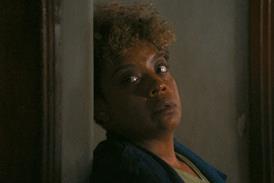











Tasuku Emoto and Shizuka Ishibashi also star in Nanako Hirose’s Busan competition title

Dir/scr: Nanako Hirose. Japan. 2026. 128mins
A free-spirited if slightly self-centred writer conspires to have her cake and eat it in Between Two Lovers, which begins as a story about three people navigating the choppy waters of polyamory and quickly dissolves into a more conventional drama about the challenges facing LGBTQ+ individuals who want children. Both are subjects deserving of exploration, but here both get a cursory examination that does not say much more than polyamory is difficult if you don’t have committed partners. Engaging performances and nicely nuanced characters keep the film from teetering headlong into soap opera territory.
Stumbles when it falls back on tired tropes
Starring popular Japanese star Masami Nagasawa (Godzilla Minus Zero, The Confidence Man JP) and diving into the thorny non-traditional family debate, Hirose’s third film – and second fiction feature – is a step up from her 2018 debut His Lost Name. (Her sophomore film was the 2019 documentary Book-Paper-Scissors about an old-school book designer.) Unfolding over a conventional three-act structure, using uncomplicated film language and dealing in subject matter just ‘controversial’ enough to get some attention, Between Two Lovers could find modest theatrical success in Asia following its Busan competition premiere and release at home in Japan in November. The film’s television movie pacing and uncomplicated visuals make it ideal streaming content.
Uta Kojima (Nagasawa) is a children’s picture book author with an adoring salaryman husband, Morio Kojima (Tasuku Emoto), and a seemingly robust career – thanks in part to her exacting editor Junna Kuramochi (Shizuka Ishibashi). Though she keeps the two halves of her life compartmentalised as much as possible, they all get along and Morio and Junna respect each others’ positions in Uta’s life. After a signing at a local bookshop, it becomes clear why Uta’s so careful: she goes home with Morio to their relatively chaste marriage one night, and with Junna to a more overtly sexual affair the next.
The lines dividing Uta’s two lives start to blur when both Morio and Junna let it be known, independent of each other, that they’d like to have children – a revelation that comes on the heels of Morio’s discovery of Uta’s infidelity. Uta then proposes an entirely self-serving solution: the trio can live together in the Kojimas’ house after Junna gets pregnant with a donation from Morio, and raise the baby together. The dynamic gets complicated when Morio and Junna bond over their shared experience of making a baby, a scene in which Uta is on the outside looking in on – one of the few instances in her life where things have distressingly not gone her way.
Between Two Lovers isn’t really an examination of polyamory or throupledom but more about various ways to be a parent when the rules of who is allowed to have children are so rigid and the hurdles to becoming a parent if certain standards are not met – ideally to be married and heterosexual – are significant. This results in a dizzying array of complex emotions that force all three players to reevaluate their definitions of family, intimacy, romance and where to set boundaries.
The film is at its best when Hirose wisely sidesteps the urge to paint any of the characters with a reductive brush; each has their flaws, their moments of selfishness, pettiness, jealousy and fear, and the cast should be credited with making each of them relatable. The normally wholesome Nagasawa walks a fine line between single-minded and unabashedly independent, and simply unlikeable and wrong; Junna’s simmering hostility at what she interprets as Morio’s draconian disapproval manifests as borderline dismissal of his feelings. Conversely Morio’s flustered refusal to accept that his wife may be bisexual or a lesbian is less bigoted as simply shocked and hurt at the idea his marriage is a sham.
Yet Hirose’s script stumbles when it falls back on tired tropes – tragedy befalls LGBTQ+ couples, families are heteronormative, pregnancy brain will make Junna accept a romantic gesture from a man. They’re among the film’s most inauthentic moments, and serve to reaffirm the status quo Hirose set out to challenge.
Production companies: K2Pictures
International sales: K2Pictures, dai_koide@k2pic.com
Producer: Daiju Koide
Cinematography: Yao Hung-i
Production design: Ryo Sugimoto
Editing: Nanako Hirose
Music: Himi
Main cast: Masami Nagasawa, Tasuku Emoto, Shizuka Ishibashi